Immigration Heritage Month Celebration
March 13, 2026

The Impact of Immigrant Heritage Month on the Boulder Community

Funded by the City of Boulder Human Relations and Arts & Culture Commissions, and implemented by Ilalle Hill Organization. We deeply appreciate our partnership with the Har HarShem synagogue, which provided an excellent location. We look forward to our continued relationship that will continue to grow stronger in the years ahead.


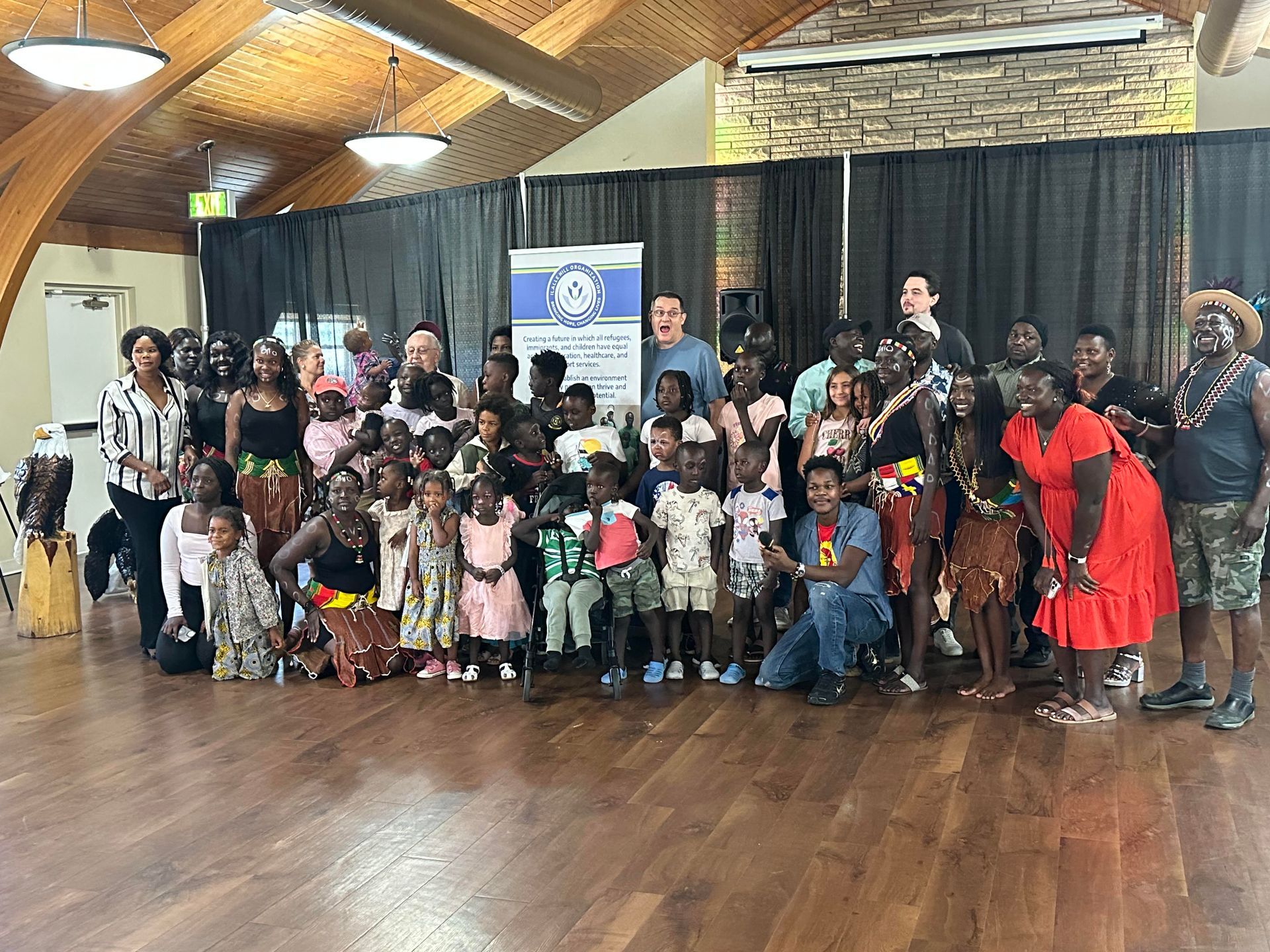
The Immigrant Heritage Month celebration in Boulder created a powerful and inclusive space that honored the diversity, resilience, and contributions of immigrants in our community. Although the South Sudan community was featured and contributed significantly to the event preparation work, we stand with and advocate for all immigrants and refugees from wherever they come.


The event brought together residents of all backgrounds to reflect, celebrate, and advocate for shared belonging, justice, and equity.

Community members experienced a vibrant showcase of heritage through traditional African dances, solo musical performances, and a display of historic African artifacts, including stools, shields, wood carvings, and ceremonial items.


Women in traditional goat-skin attire performed ancestral dances, expressing cultural pride and intergenerational storytelling through rhythm and movement.


Cultural culinary delicacies were shared generously, fostering joyful moments of interpersonal connections and shared learning among attendees.

Youth Recognition and Storytelling


The event honored local immigrant and refugee youth, highlighting their academic and leadership achievements as powerful symbols of hope and perseverance.


Through poetry, prayer, storytelling, and a shared moment of silence, the community reflected on our shared migration journey. We celebrated strength found in resilience, hope and honored memories.


Education, Advocacy, and Dialogue


Elders shared oral histories and cultural traditions, encouraging younger generations to embrace their roots with pride.


The event, African food delicacies, and open to the public, created space for meaningful conversations about immigration policy, human rights, and the lived experiences of newcomers. It served as a platform to promote civic engagement and advocate for inclusive, compassionate immigration reform.


Goals Realized


Celebrated immigrant contributions to the arts, culture, innovation, and public service.

Fostered intercultural dialogue and challenged stereotypes through music, dance, and shared cuisine.

Empowered immigrant voices by spotlighting local leaders, artists, storytellers, and advocates.


Lasting Impact


This Immigrant Heritage Month event did more than celebrate diversity—it reinforced a shared vision of unity, inclusion, and community pride.

It built stronger bridges between neighbors, elevated historically underrepresented voices, and affirmed Boulder’s commitment to being a

welcoming, vibrant, and equitable city for all.


July 27, 2026
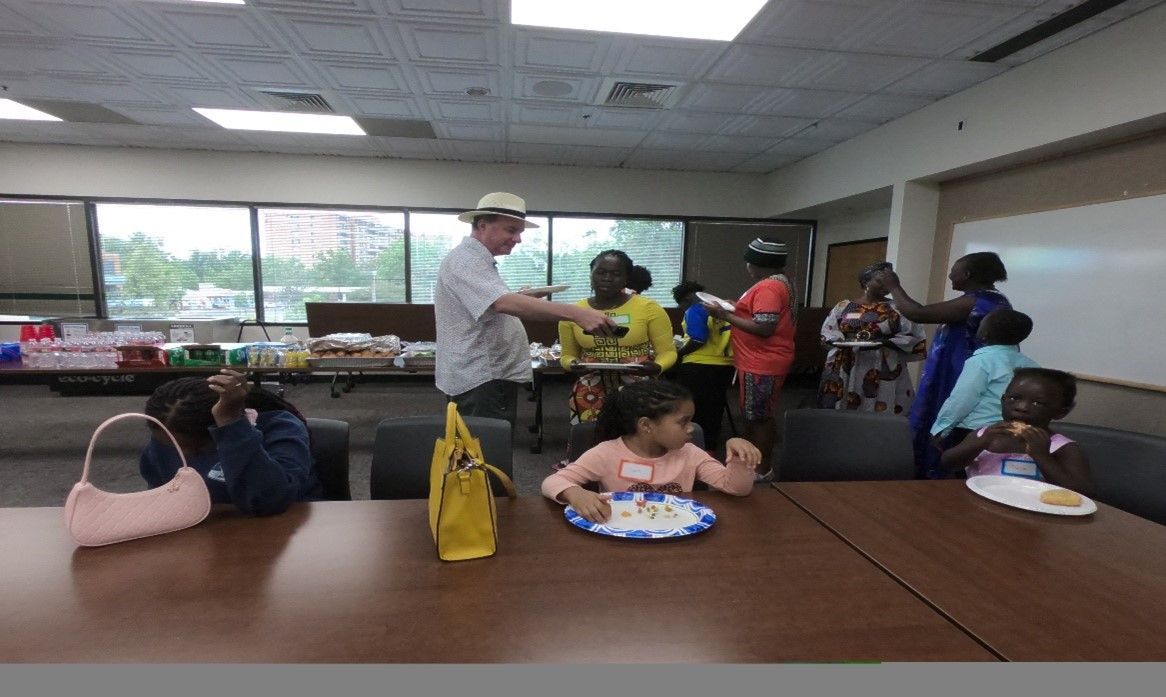
The Juneteenth celebration held at the Chamber of Commerce Boulder on June 20, 2026, was meaningful and open to the public event that brought together approximately 60 attendees, including children, families, friends, colleagues and community members. The gathering created a welcoming space for reflection, socialization, learning, celebration, while honoring the significance of Juneteenth day in American history. Frank DeDominicis opened remarks on the program by speaking about the history of Juneteenth and the purpose of the event. His remarks helped frame the celebration as both educational and commemorative, reminding attendees of the importance of recognizing Juneteenth as a symbol of freedom, justice, love, inclusion, togetherness, embracing one another and resilience. The event offered an opportunity for the community to come together in shared understanding and appreciation. One of the highlights of the celebration was the meal, which featured South Sudanese, East African, and Mediterranean cuisines prepared locally by a wonderful South Sudanese women’s group. The food was enjoyed by all with gratitude for the event and created a warm setting for connection and conversation. Children also added to the festive atmosphere by gathering around a whiteboard to draw with washable markers, bringing energy and joy to the event. Boulder City Mayor Aaron Burk shared positive remarks and encouraged community leaders to embrace one another in recognition of Juneteenth as a foundation of the community. He emphasized the importance of unity, respect, and togetherness across differences. Guests spent time socializing, sharing stories, and enjoying one another’s company in an atmosphere filled with high energy, laughter, and community spirit. We are grateful to the City of Boulder for providing this opportunity for the community to come together in celebration.
By Lojohomoi Lorensio July 20, 2026
During my recent Africa visit, I witnessed the resilience of farming women, seeds of hope in Kakuma Kalobeyei, an integrated settlement with an arid environment, scorching heat, water shortages, and a limited food to supply the entire refugee settlement population. The women, Seeds of Hope in Kakuma- Kalobeyei settlement, decided to organize themselves to till the ground with and irrigate it despite limited water sources. The little bit of rainwater was sufficient to grow vegetables to feed their families. Because of the situation of limited water, no fencing, no tools, and no drought-resistant seeds to improve and expand community gardens, Ilalle Hill Organization is reaching out to the friends, colleagues, and well-wishers across the globe on behalf of the women of the Seeds of Hope. Kakuma Kalobeyei settlement needs support and cash donations to help expand, improve, and grow more food to feed their families and others around the villages of Kalobyei settlement. Hunger and a massive nutrition crisis is hitting the Kakuma refugees hard. The Ilalle Hill Organization team is available to answer questions about Womens’ Seeds of Hope in Kalobeyei Kakuma refugee camp. Following the 2025 USAID funding cutoff, the lives of refugees in Kakuma have experienced severe disruptions. The rationing system categorizes families into four distinct groups: Category 1 receives half rations contingent on family size. Category 2 receives a quarter of the half rations. Category 3 receives a minimal allocation. Category 4 receives no food assistance.