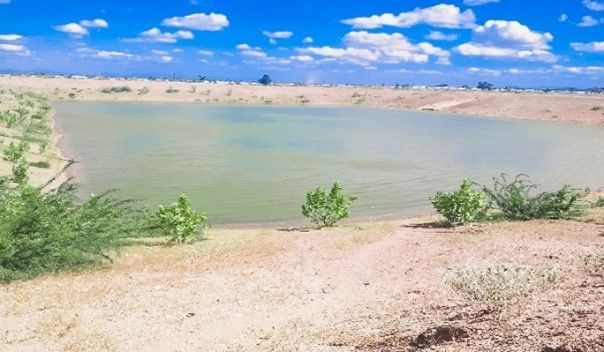
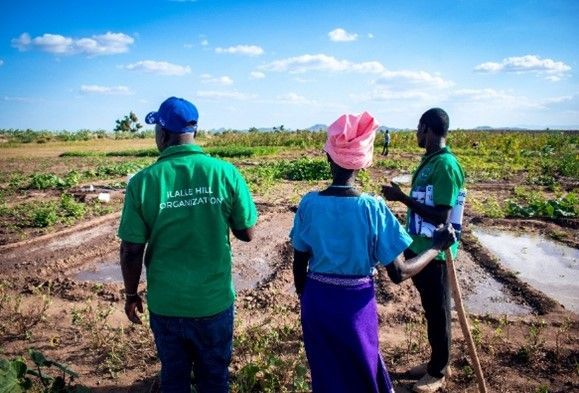
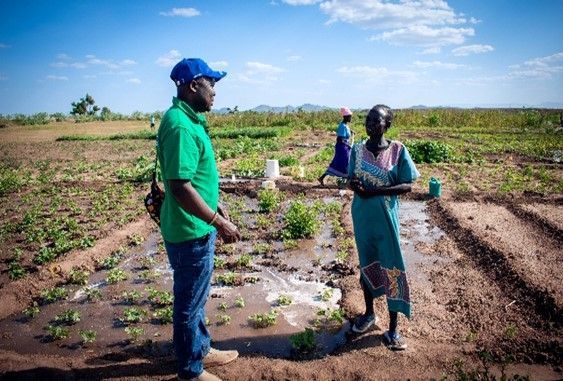
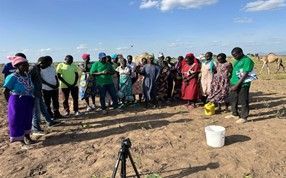
During my recent Africa visit, I witnessed the resilience of farming women, seeds of hope in Kakuma Kalobeyei, an integrated settlement with an arid environment, scorching heat, water shortages, and a limited food to supply the entire refugee settlement population.
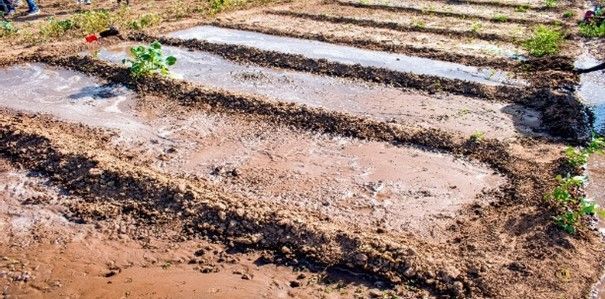
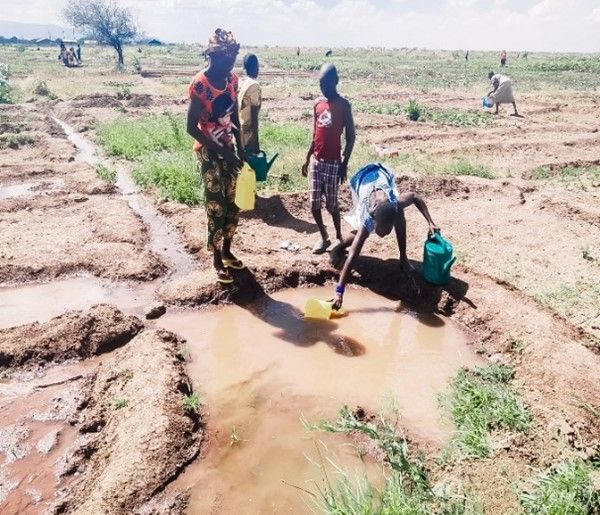
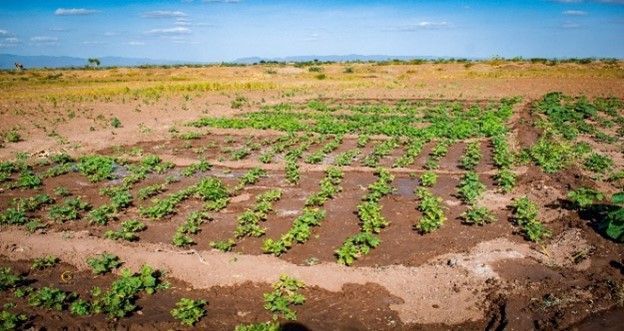
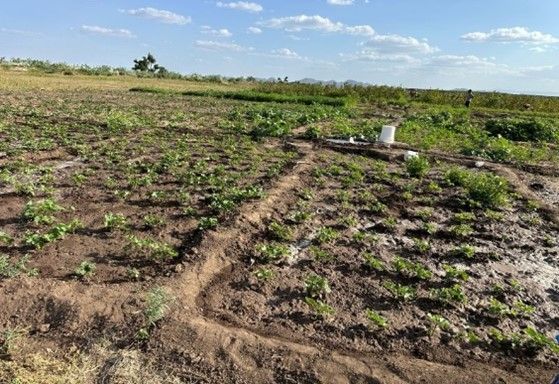
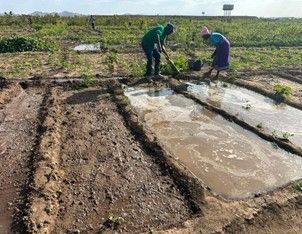
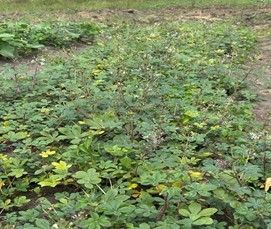
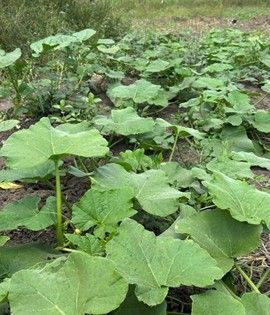
The women, Seeds of Hope in Kakuma- Kalobeyei settlement, decided to organize themselves to till the ground with and irrigate it despite limited water sources. The little bit of rainwater was sufficient to grow vegetables to feed their families.
Because of the situation of limited water, no fencing, no tools, and no drought-resistant seeds to improve and expand community gardens, Ilalle Hill Organization is reaching out to the friends, colleagues, and well-wishers across the globe on behalf of the women of the Seeds of Hope.
Kakuma Kalobeyei settlement needs support and cash donations to help expand, improve, and grow more food to feed their families and others around the villages of Kalobyei settlement. Hunger and a massive nutrition crisis is hitting the Kakuma refugees hard.
The Ilalle Hill Organization team is available to answer questions about Womens’ Seeds of Hope in Kalobeyei Kakuma refugee camp.
Following the 2025 USAID funding cutoff, the lives of refugees in Kakuma have experienced severe disruptions. The rationing system categorizes families into four distinct groups:
Category 1 receives half rations contingent on family size.
Category 2 receives a quarter of the half rations.
Category 3 receives a minimal allocation.
Category 4 receives no food assistance.
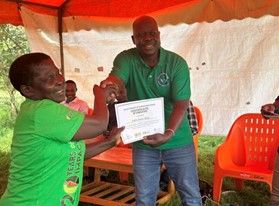
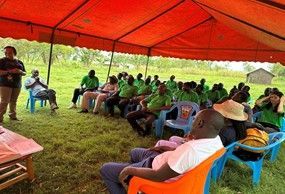
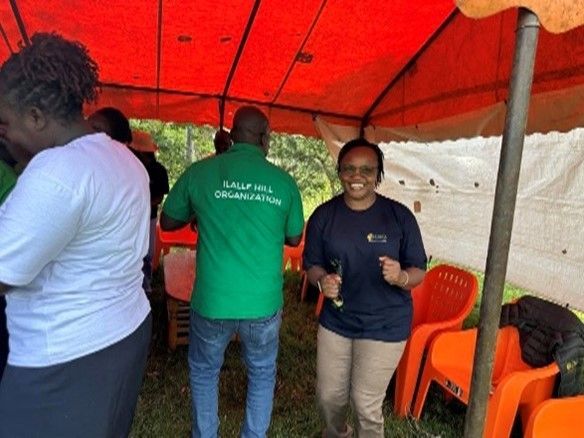
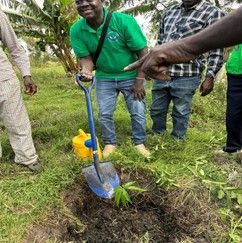
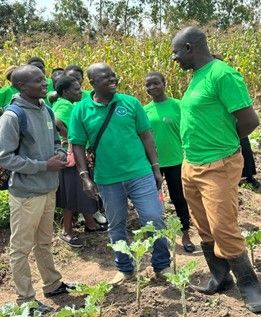
Homa Bay County enjoys refreshingly clean air and a favorable climate. I am honored to have attended the graduation ceremony conducted by Development in Gardening Organizations (DIG) in partnership with Ilalle Hill Organization.
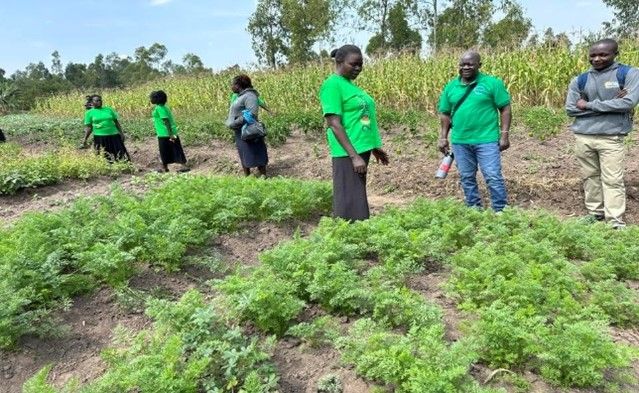
The local farmers, who were beneficiaries, were thrilled to acquire skills in gardening, focusing on local indigenous seeds, drought-resistant growing methods, and preservation techniques to ensure food security and sustainability in the region.
Ilalle Hill Organization is utilizing such opportunities to acquire knowledge and skills to support Kalobyei’s small women's gardening groups in cultivating kitchen vegetable gardens in Kalobyei at Kakuma refugee camp.
This situation is further exacerbated by clinic closures due to medicine shortages, schools vacant without teachers or students, and a resultant surge in illiteracy rates within the refugee camps, culminating in a most distressing situation.
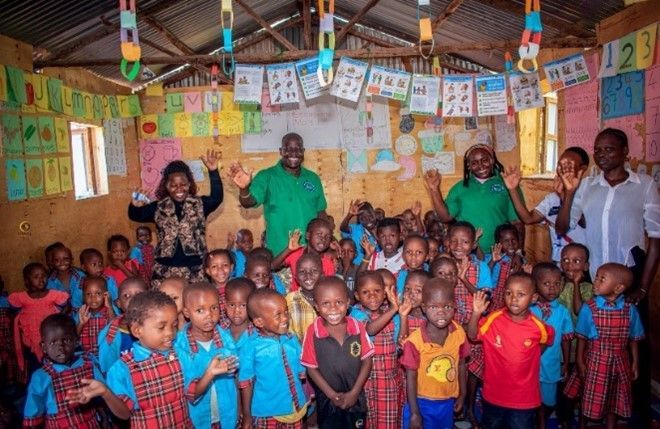
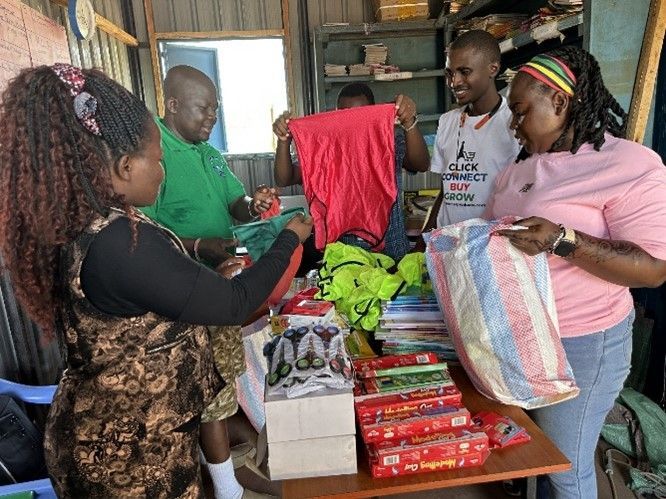
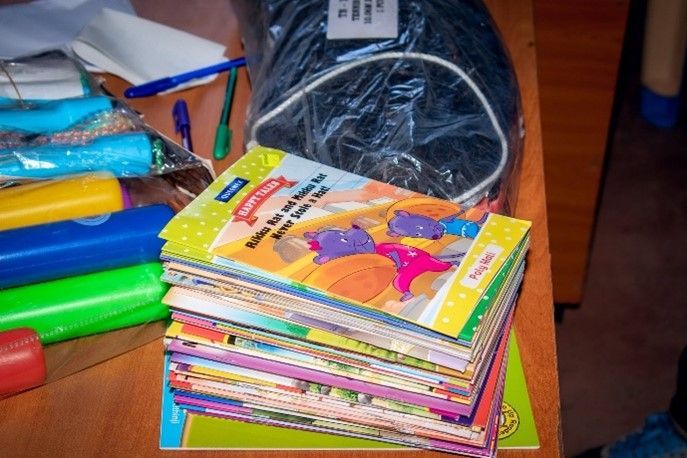
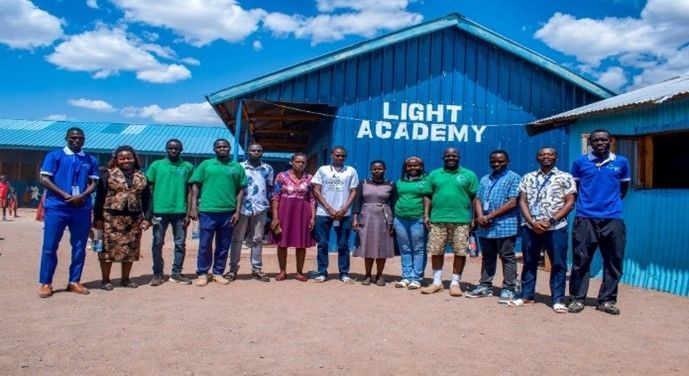
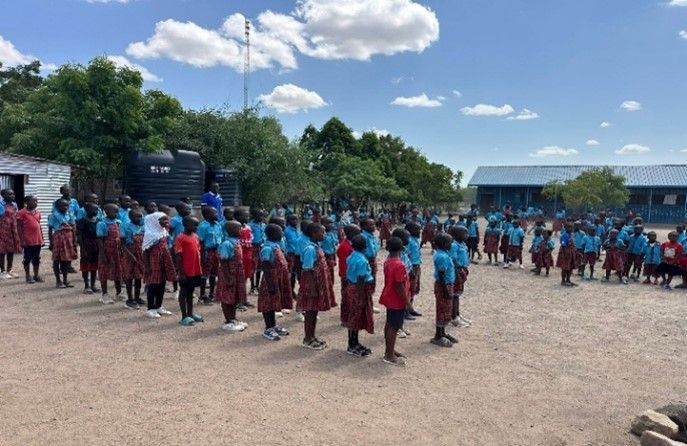
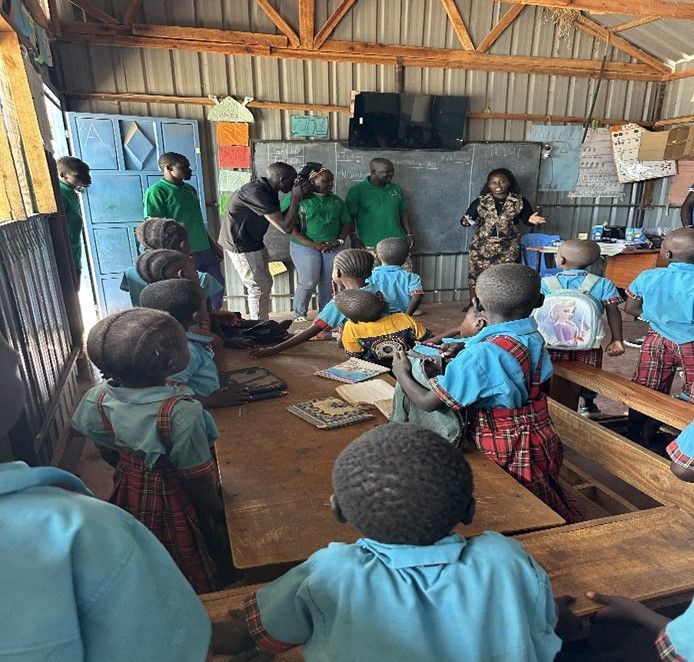
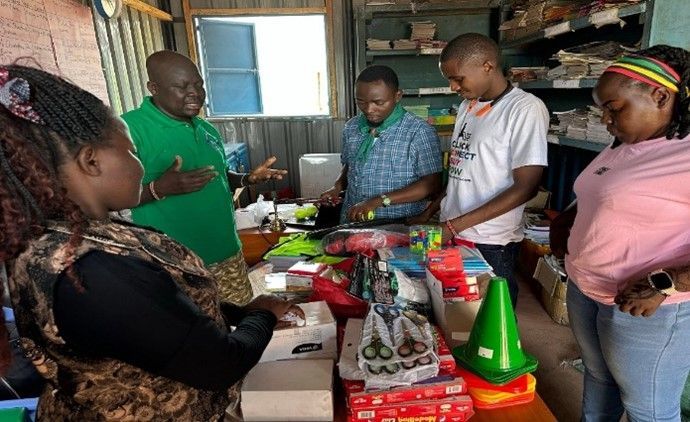
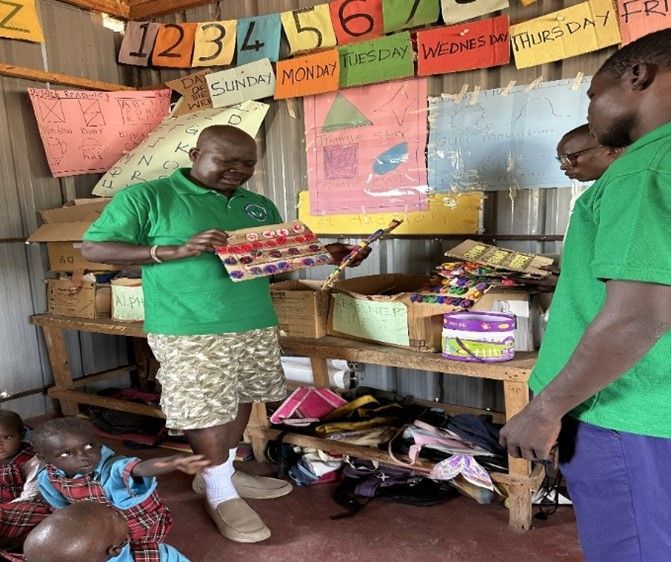
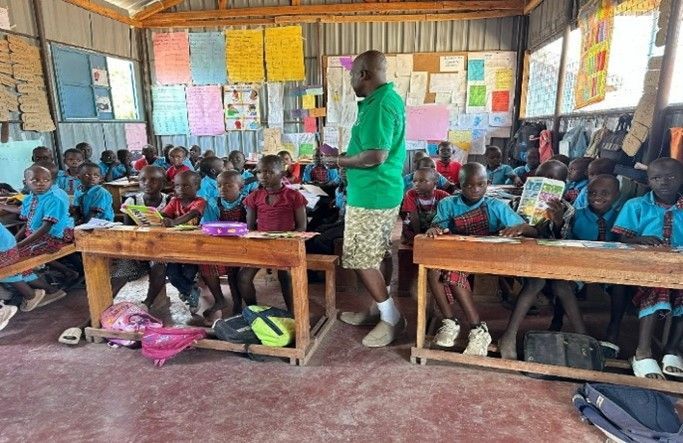
The place where I grew up has undergone significant transformations. I conducted tours of several locations, including Kalobeyei settlements. As the executive director of Ilalle Hill Organization, based in Colorado, USA, I reached out to friends and conducted speaking sessions in Denver schools regarding support for scholastic materials to facilitate continued learning at Light Academy Primary School.
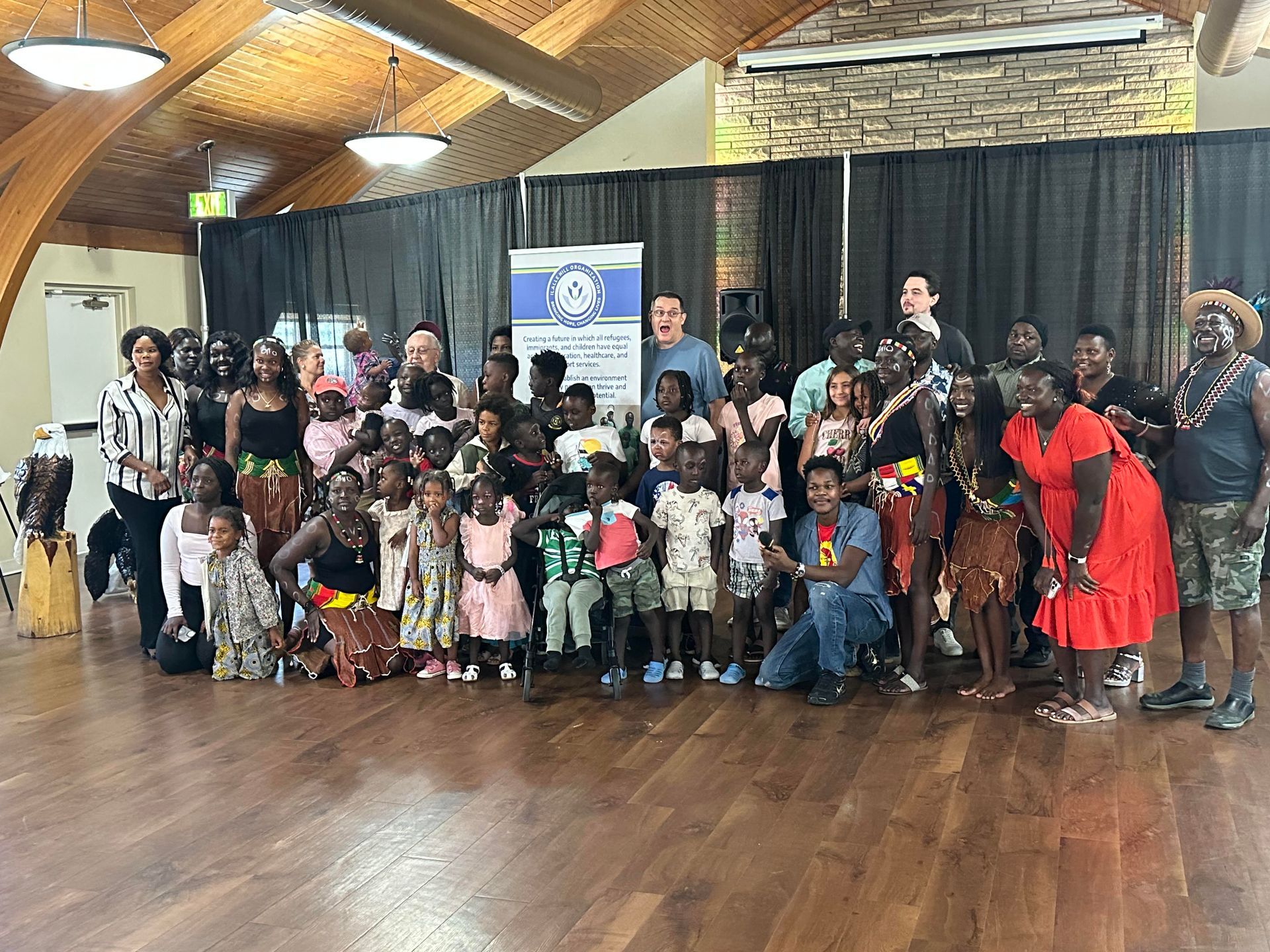
A few schools engaged with me, and students responded positively after I delivered presentations on the deteriorating learning situation in Kakuma Refugee and Kalobeyei settlements. Notably, students from one school in Denver collectively contributed $2, $4, and $5 to support Light Academy students in acquiring learning materials